
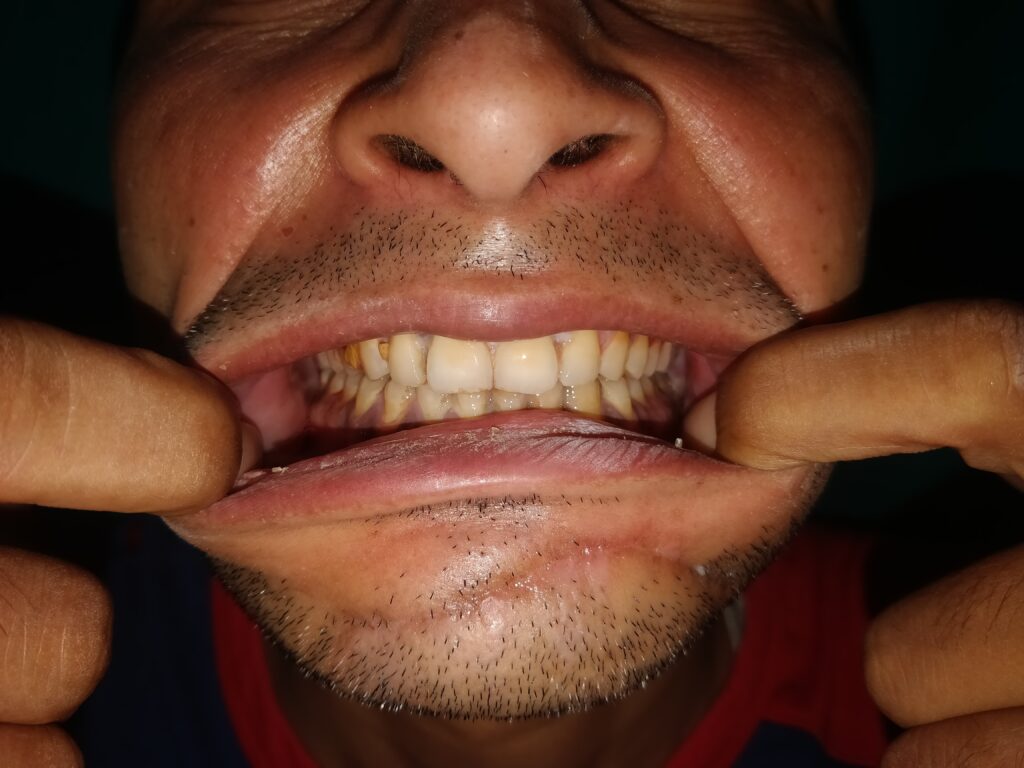
No wonder that whenever there is an injury to the face, one tends to fear permanent scars or facial distortion which could end up resetting your personality and confidence forever. Although this concern is genuine, one cannot take away from the fact that face lounges important organs and is as functional as it is cosmetic.
What all may get damaged in facial injury ?

Lets look at what all is at stake in facial trauma- starting from the eyes, nose, teeth, the jaw, ears, the list is immense, even overlooking several nerves and tubes traversing to and from these vital areas. This complexity is what makes dealing with trauma to this area an expertise. Plastic surgeons deal with facial fractures (hardware injury) and soft tissue (software) in a holistic manner with an aim to restore facial functionality and preserve facial aesthetics.

A typical facial injury management includes doing CT scans to check for facial fractures, along with a thorough clinical examination especially involving the eyes and areas with external injury. The extent of injury not only determines the complexity of procedure needed but also the most suitable form of anesthesia. While a simple laceration could be repaired by just numbing the area of concerns, extensive fractures require patient to be put to sleep (general anesthesia) for surgical fixation
How are facial injuries treated ?

Facial fractures are fixed with metal plates and screws with an aim to keep the teeth and, the eyes sockets restored and aligned to allow for speedy and easier return to function while keeping the scars hidden and injury marks minimum. This is achieved by making all the cuts inside the mouth , along the eyelid crease and eyebrows so that surgical scars merge into natural features or are best invisible. It is rather astonishing as to how the facial anatomy allows drills, and metal screws and plates to sink in in without leaving external marks.
Although a significant nerve damage, is rare in most facial trauma, but experience in facial anatomy is useful to locate these nerve and steer clear of them and perhaps do a microsurgical repair if at all a repairable damage is identified. Fractures of the eye socket, especially the floor is what holds your eyes from sinking into your cheeks and at the same time it is important to fix the eyeball ligaments on either side of nose to ensure your eyes do not look unusually apart. The latter is achieved by innovative techniques involving both internal and external hardware.
The external skin wound repair, is not merely putting the skin together but to identify the underlying soft tissue loss and doing precise skin approximation to limit scars, asymmetry and contour deformity. Finally minor dental adjustments using splint and braces may be needed to fine tune the occlusion and dental loss.


A perfect combination of all of these and a sincere post op follow up is what compiles a perfect outcome. The job is not done unless the outcome is fair and cannot be bettered. Dialogue with your surgeon can clear a lot of air, educate you towards accessory procedures and therapy to ensure to you are back to your best.
Is it necessary to fix facial fractures?
It would be an overkill to fix isolated minimally displaced fractures that do not hamper function. That being said high energy injuries often lead to significant soft tissue and complex bone injuries which invariably need surgery. A blatant ignorance may cause a permanent problem when a stitch in time could have saved nine. Your surgeon has the best answers for all the shades of grey and a comprehensive discussion of the objectives of surgery vs risk fine tuned to your concerns is what gives the final decision.